Bishaler Bari
Gulshan, Dhaka
16 Feb 2025 - 14 Jul 2026
Client

Project Duration
Project Status
Produced by
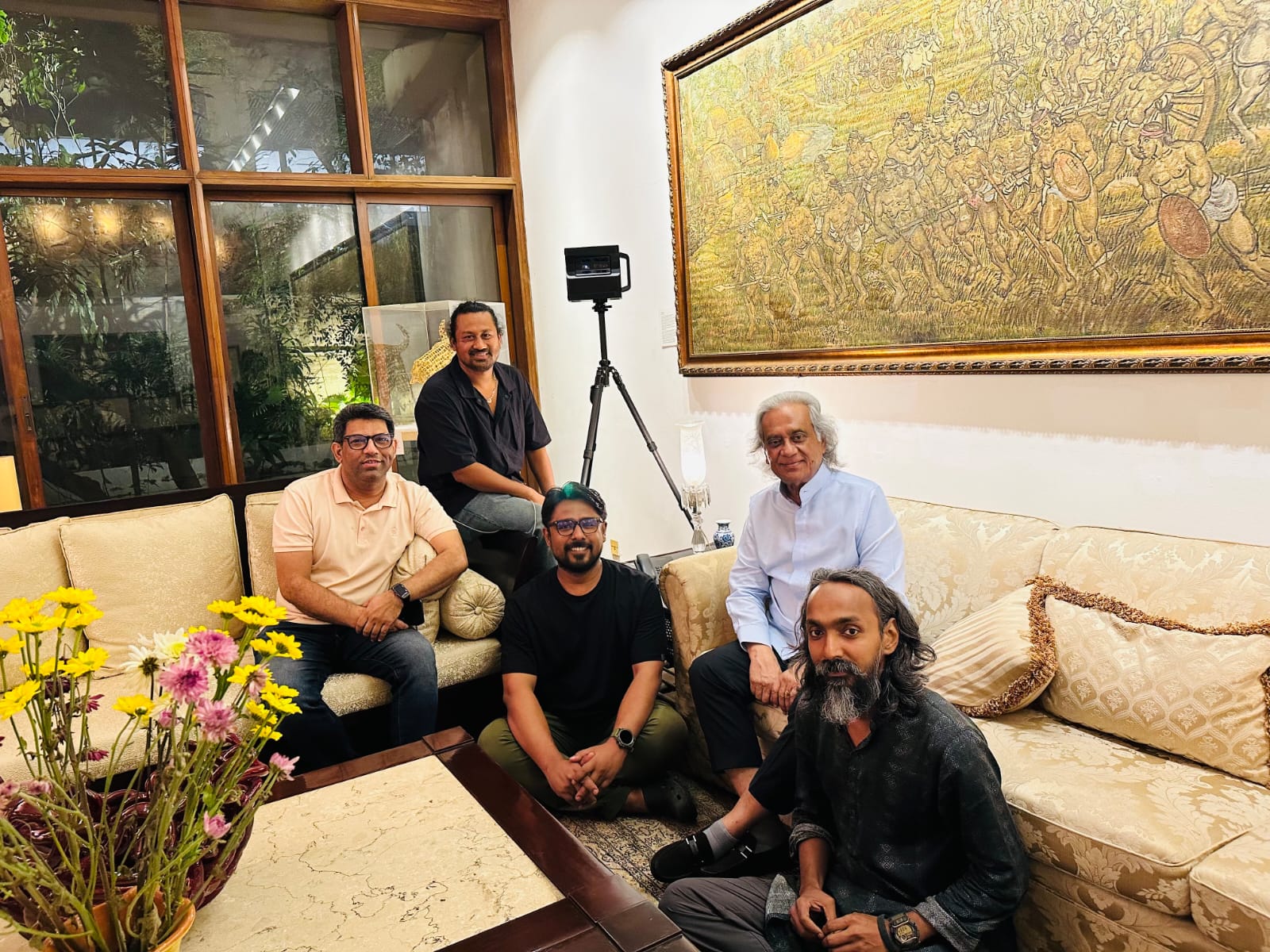
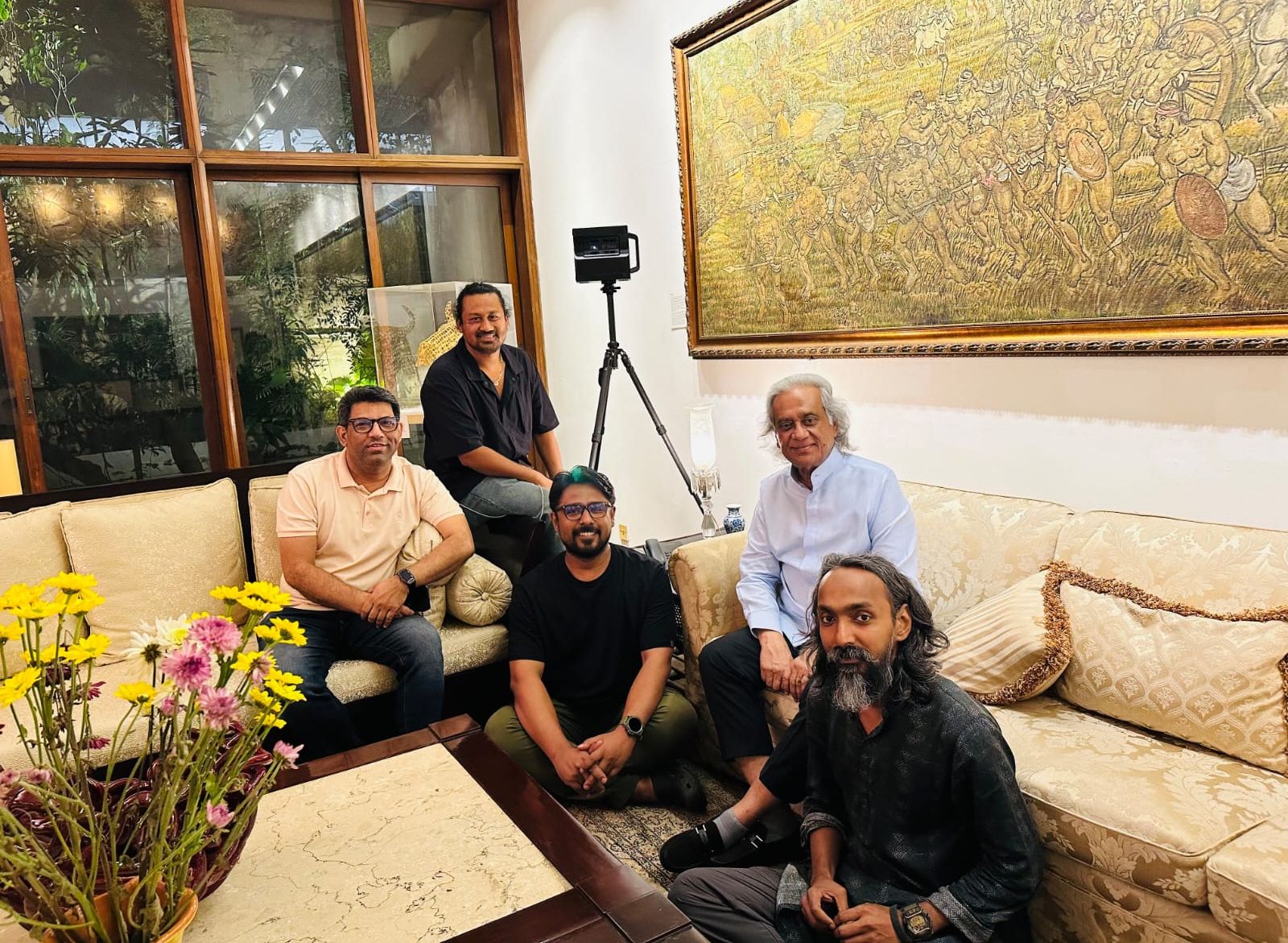
BISHALER BARI is a digital heritage preservation project by ARTCON, created between April and July 2025 for Bengal Group Limited. Developed as a comprehensive Virtual Reality archive using Matterport technology, the project permanently documents one of Bangladesh's most significant cultural residences before its demolition, preserving its architecture, collections, atmosphere, and historical context through an immersive three-dimensional digital record.
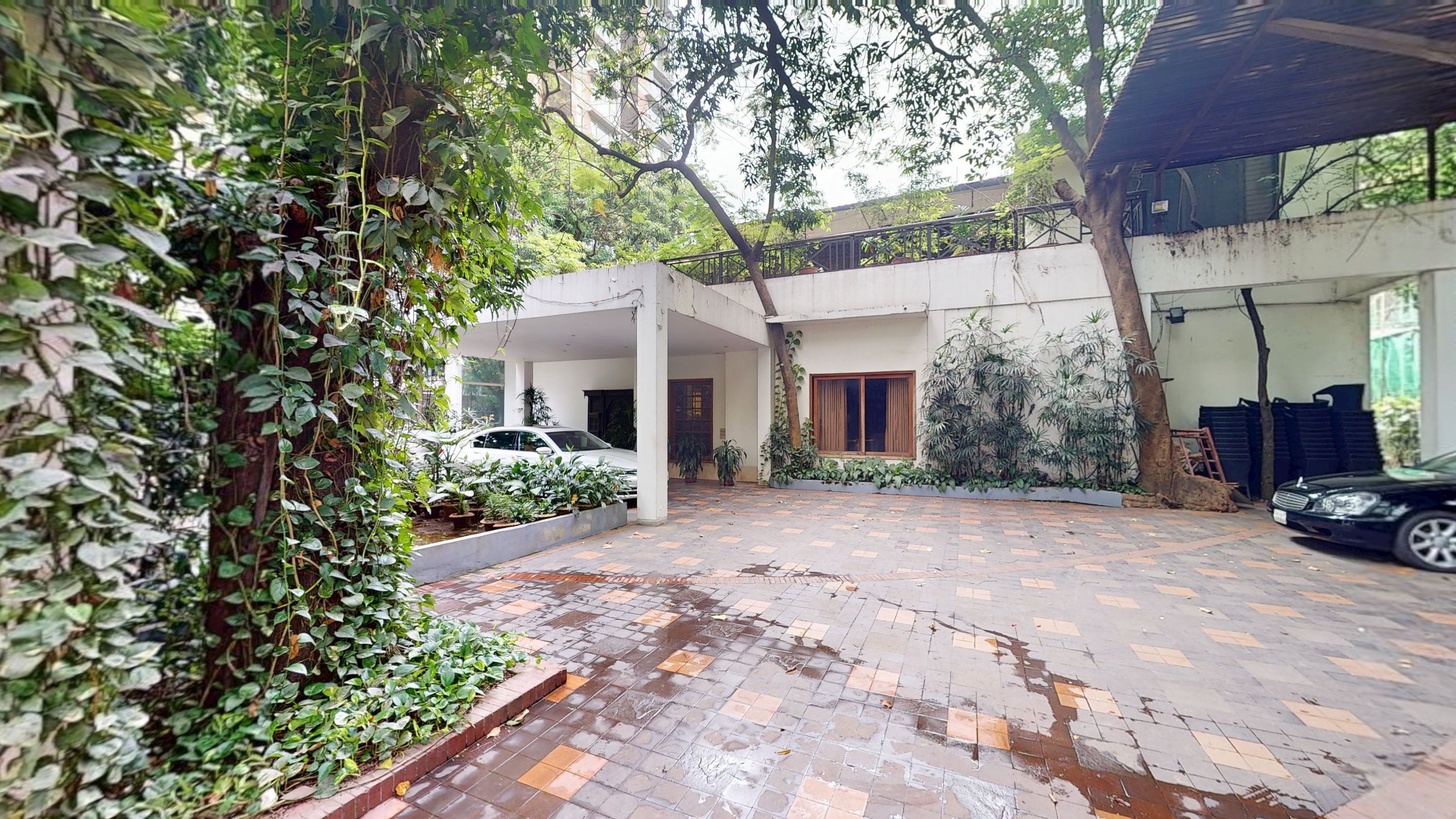
Originally designed by Bangladesh's pioneering modernist architect Muzharul Islam during the 1970s and later modified by several architects, Bishaler Bari occupied a two-bigha site in Gulshan, Dhaka. Before becoming the residence of Mr. Abul Khair, Chairman of Bengal Group Limited, and his family in the early 1980s, the building served as the home of the Ispahani family and later as the Russian Embassy following Bangladesh's Liberation War. Named in memory of Mr. Abul Khair's youngest son, Bishal, the residence evolved over four decades into one of Bangladesh's most influential cultural homes, where architecture, visual art, music, literature, and intellectual exchange flourished within a domestic setting.
Recognising the architectural and cultural significance of the residence prior to its planned demolition, ARTCON undertook its complete digital documentation as a work of architectural archiving, heritage preservation, and long-term digital conservation. Rather than creating a virtual reconstruction, the project records the original building in its final intact state, preserving both its physical spaces and the cultural environment they embodied. As the last complete digital documentation of Bishaler Bari, the archive now serves as a permanent historical record of a landmark that no longer physically exists.
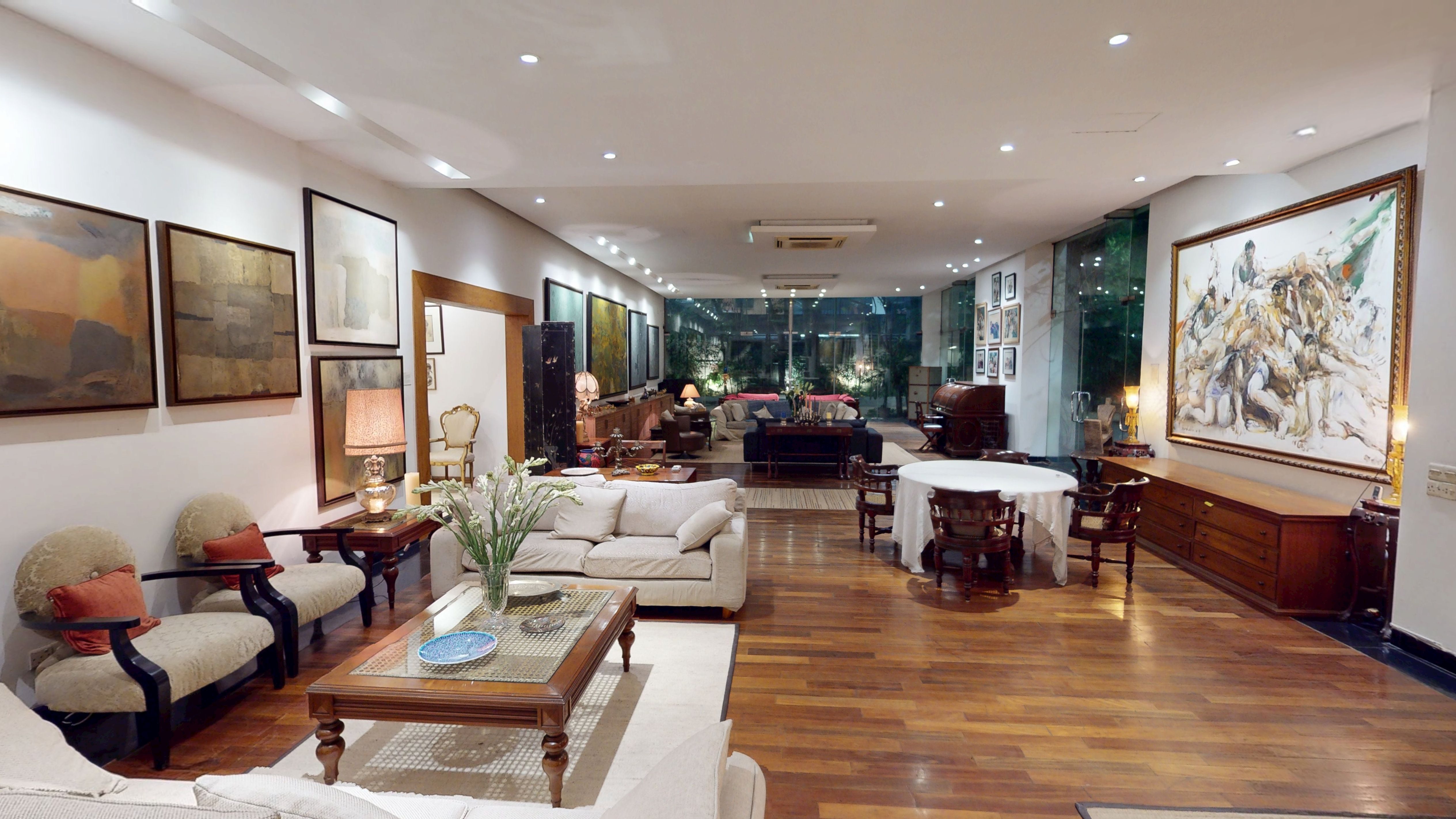
The project documents the residence through an interactive Matterport survey covering the entrance, gardens, courtyard, parking area, living and dining rooms, library, bedrooms, verandas, staircase, and Mr. Abul Khair's private room. Beyond recording architecture, the archive preserves the relationship between space and collection, capturing sculpture-filled gardens, mature landscapes, domestic interiors, and one of Bangladesh's finest private collections of modern and contemporary art in its original setting.
The documented collection includes works by many of Bangladesh's most celebrated artists, including Zainul Abedin, S. M. Sultan, Mohammad Kibria, Murtaja Baseer, Monirul Islam, Shahabuddin Ahmed, Rashid Chowdhury, Quamrul Hassan, Qayyum Chowdhury, Rafiqun Nabi, Safiuddin Ahmed, Kanak Chanpa Chakma, Hashem Khan, Mahbubur Rahman, Aminul Islam, Kazi Abdul Baset, Kazi Ghiyasuddin, Dilara Begum Jolly, Rokeya Sultana, Shahid Kabir, Syed Jahangir, Dhali Al Mamun, Maksuda Iqbal Nipa, alongside works by Indian masters Jamini Roy and Rini Dhumal, among many others. The archive therefore preserves not only a residence but also an important chapter in the history of private art collecting and cultural patronage in Bangladesh.
Bishaler Bari also holds exceptional historical importance as a centre of cultural activity. Over more than forty years, it welcomed artists, architects, musicians, writers, diplomats, scholars, collectors, Nobel laureates, and heads of state. The residence played a significant role in the development of Bangladesh's cultural landscape, providing the environment from which institutions and initiatives such as the Bengal Gallery of Fine Arts, the Bengal Classical Music Festival, the magazines Kali O Kalam, Jamini, ICE Today, and Business Today, and the landmark Contemporary Works of Bengali Artists cross-border art camp emerged.
As a completed ARTCON project, BISHALER BARI demonstrates the application of immersive digital technologies to cultural heritage preservation. The archive contributes to architectural documentation, digital conservation, collection recording, public education, and academic research while extending global access through desktop, mobile, and VR headsets. Following the demolition of the original residence, this project now stands as the definitive digital archive of Bishaler Bari, ensuring that its architecture, collections, memories, and contribution to Bangladesh's cultural history remain preserved for future generations.