Main Auditorium
Bangladesh National Museum, Dhaka
10 Jan 2016
Hosted by
Collaboration with

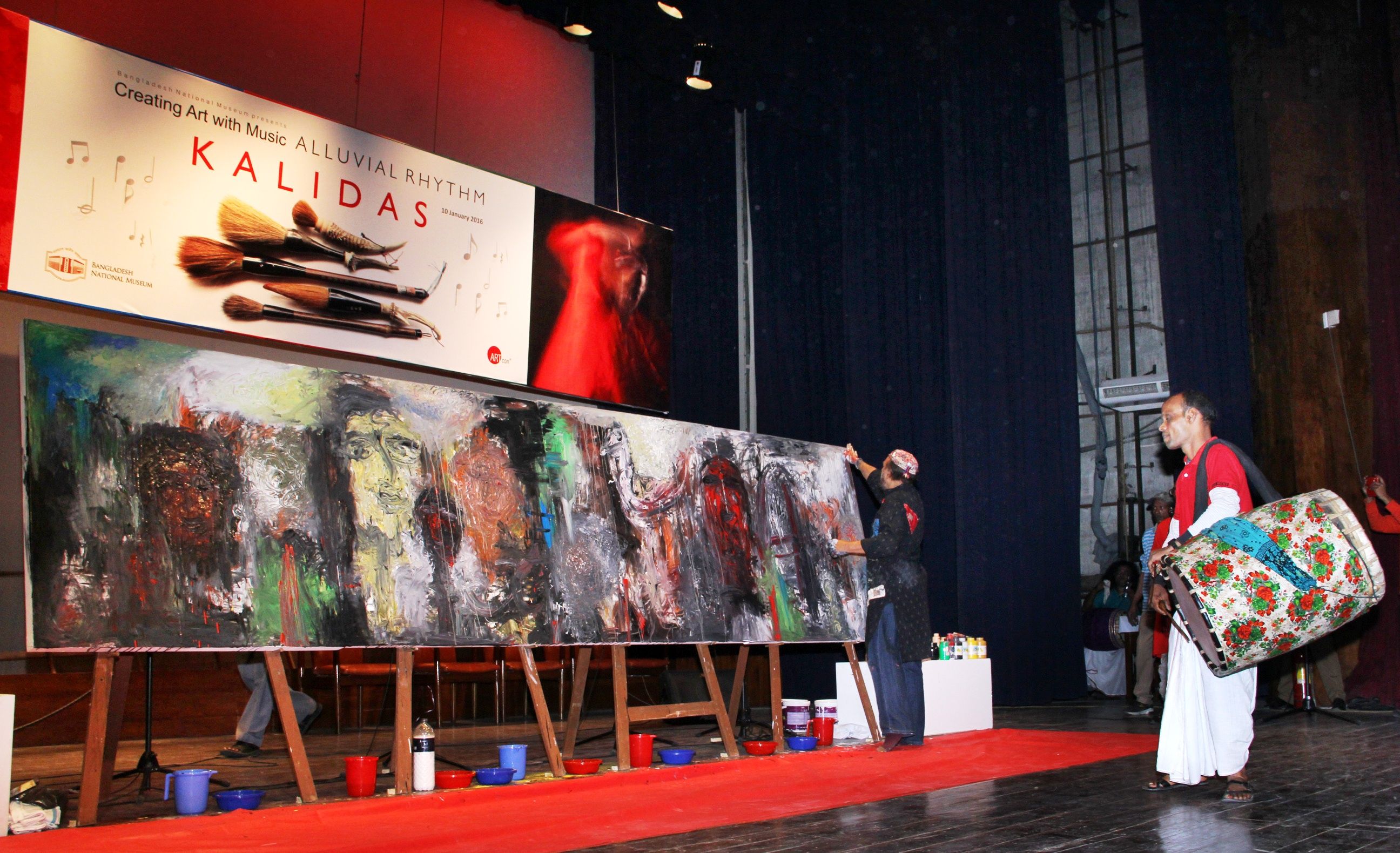
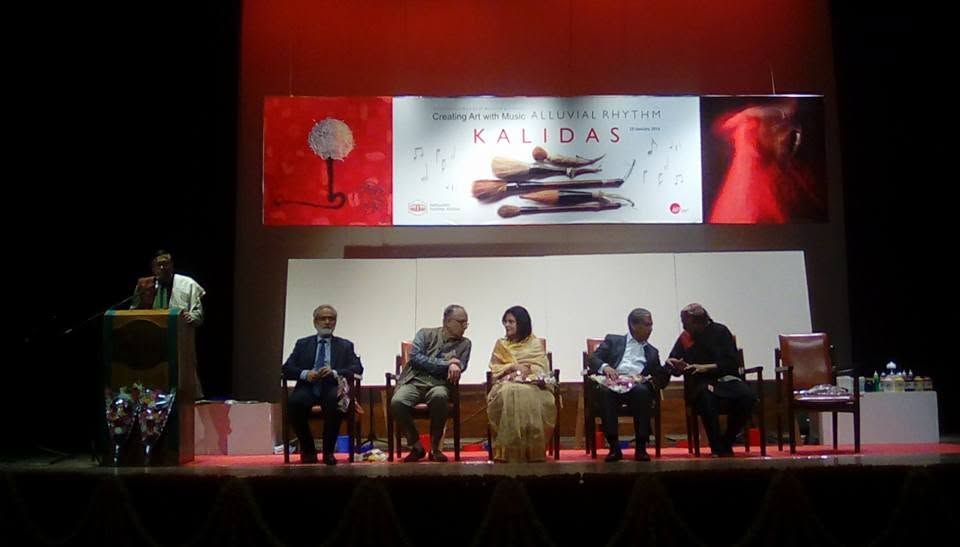
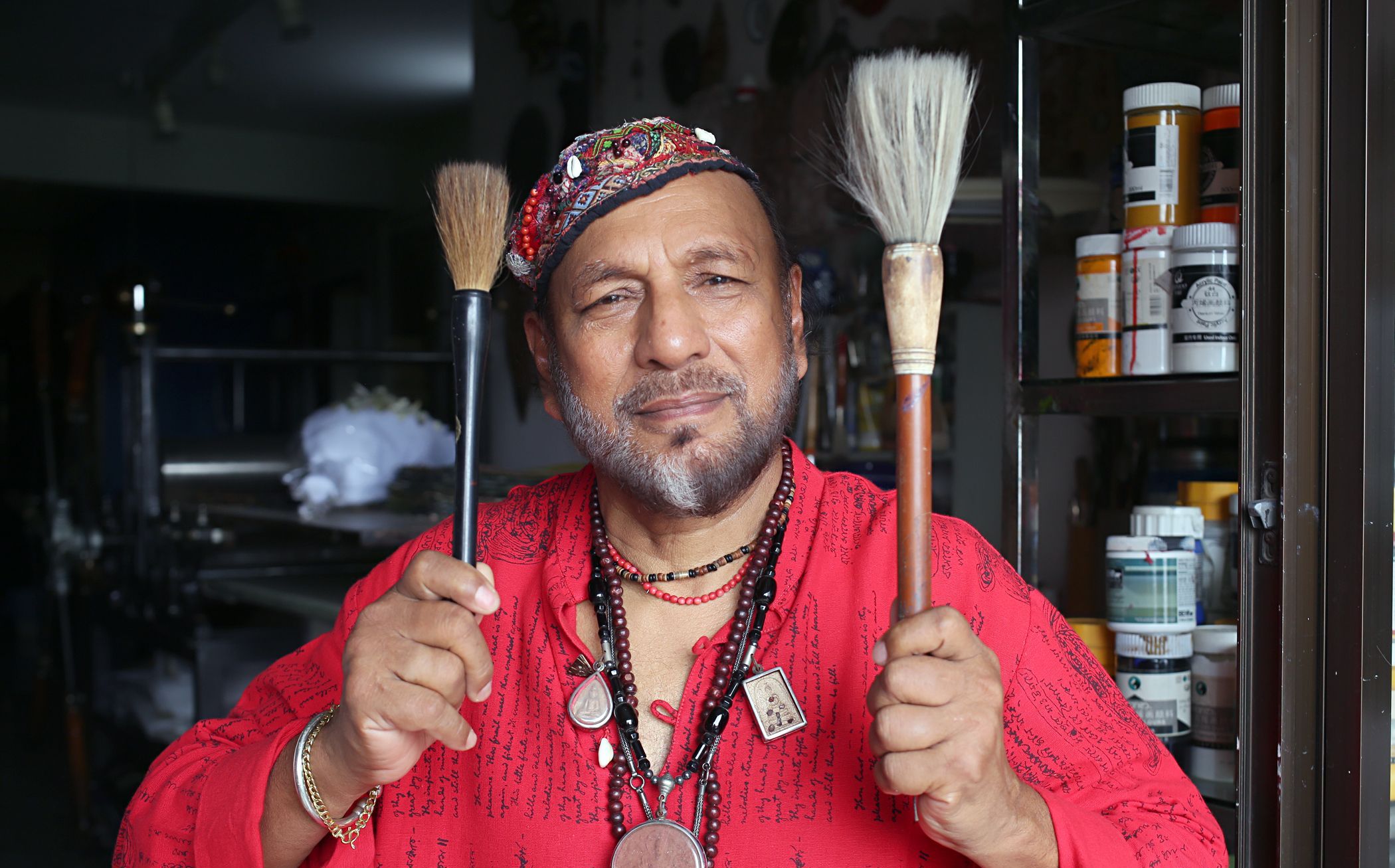
Alluvial Rhythm: Creating Art with Music was a landmark performance by internationally acclaimed Bangladeshi artist Kalidas Karmakar, presented at the Main Auditorium of the Bangladesh National Museum on 10 January 2016, marking the artist’s 71st birthday. The event was hosted by ARTcon as part of Karmakar’s 72nd solo exhibition, Alluvial Soul, Soil and Symbol, at the Nalini Kanta Bhattasali Gallery.
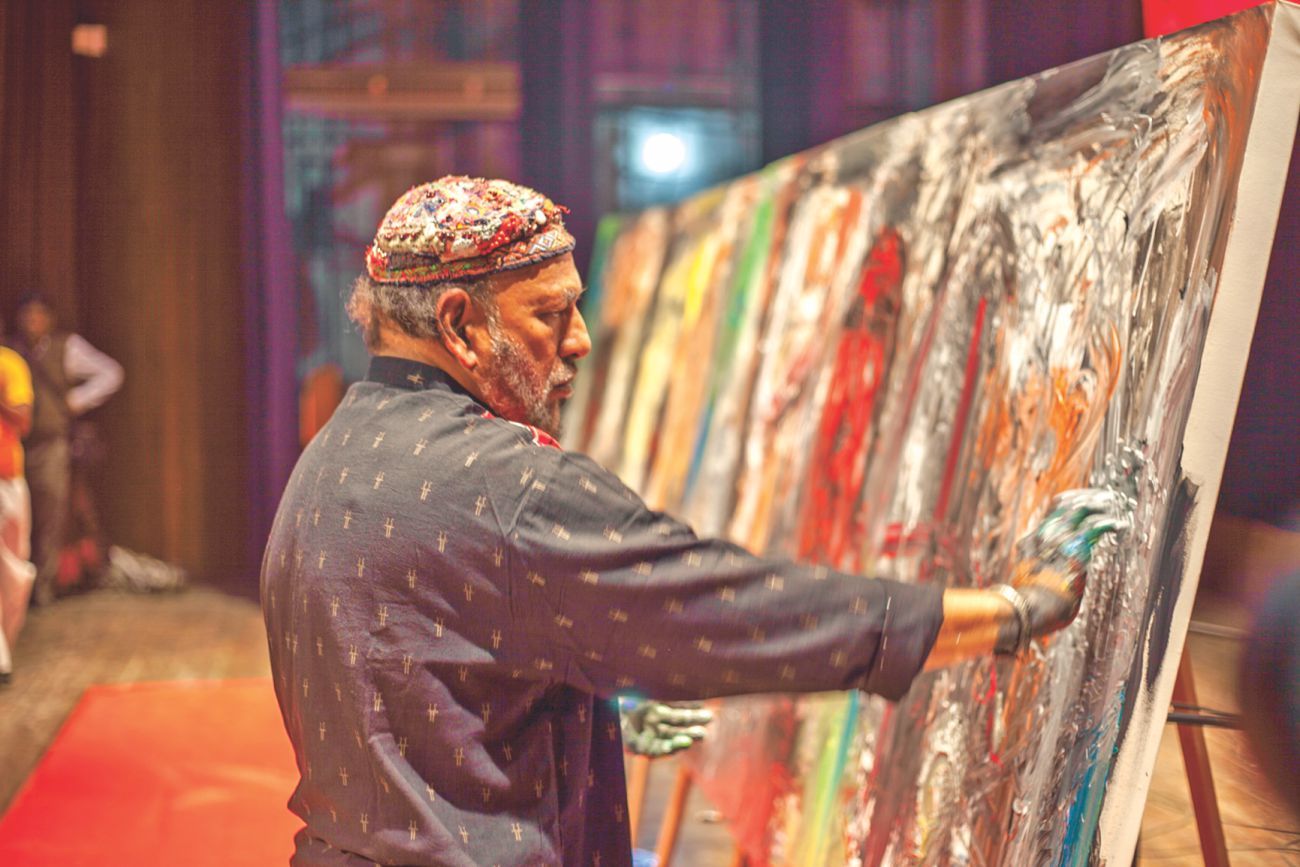
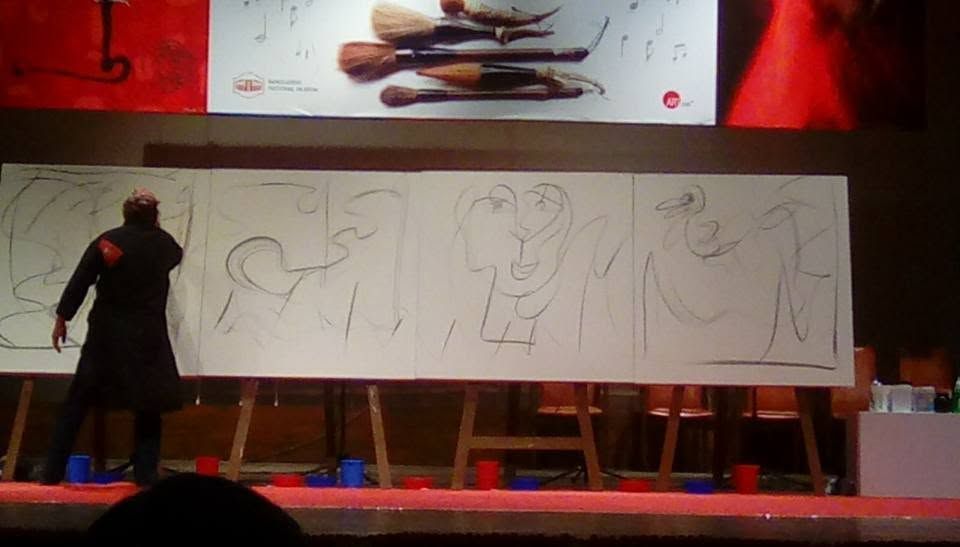
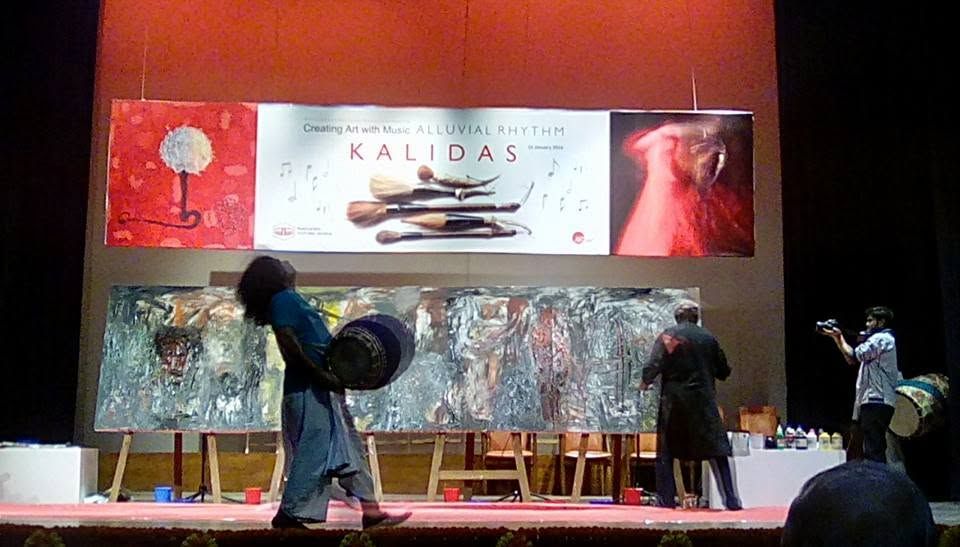
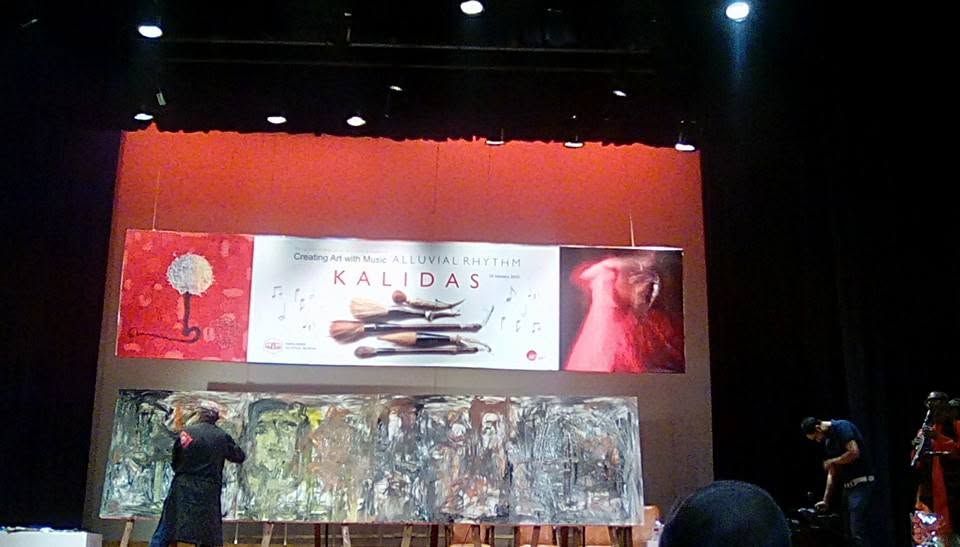
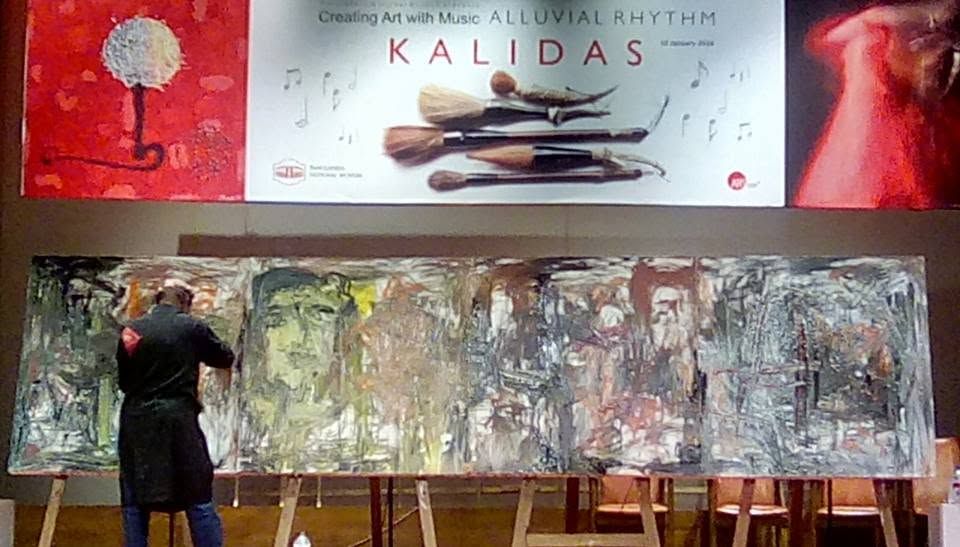
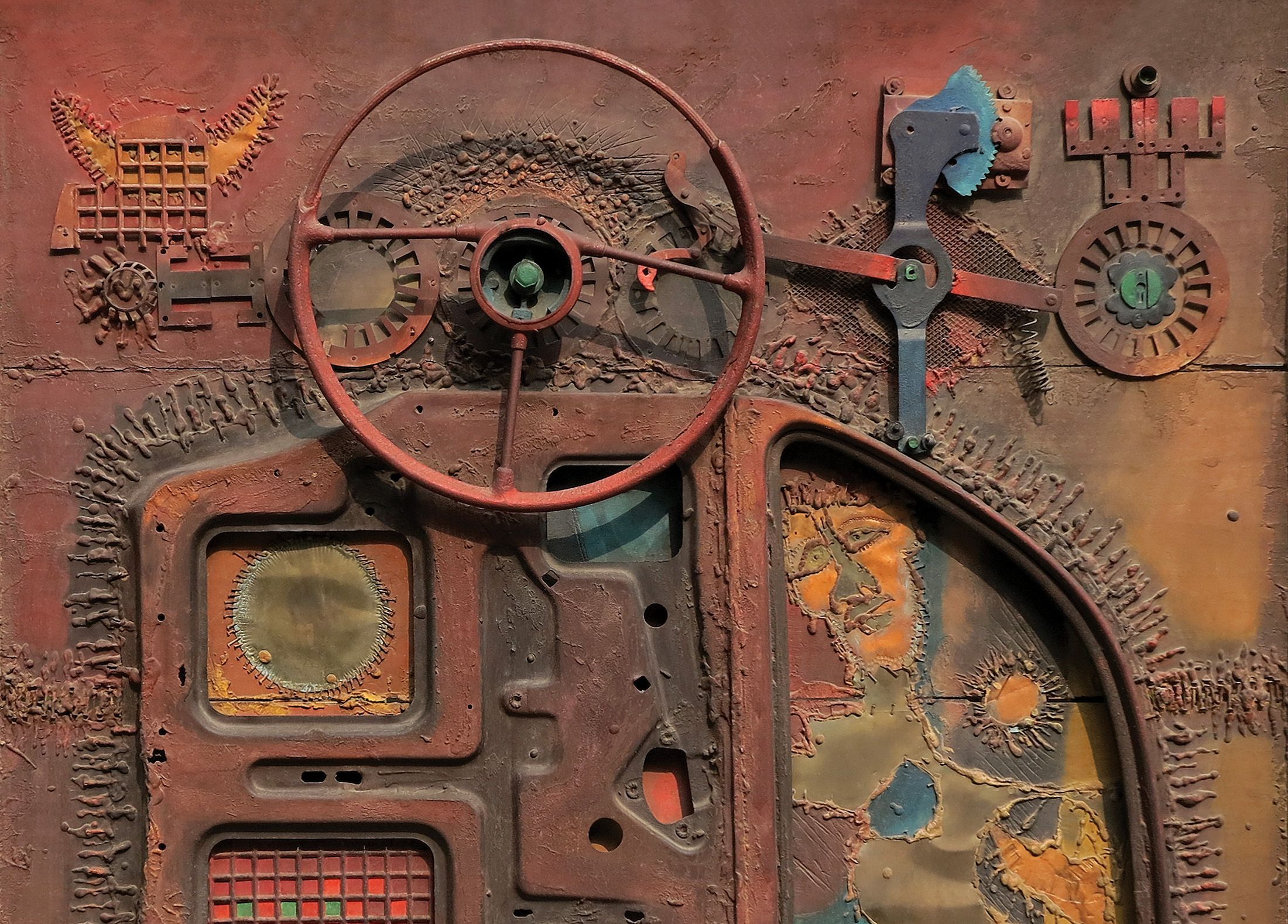
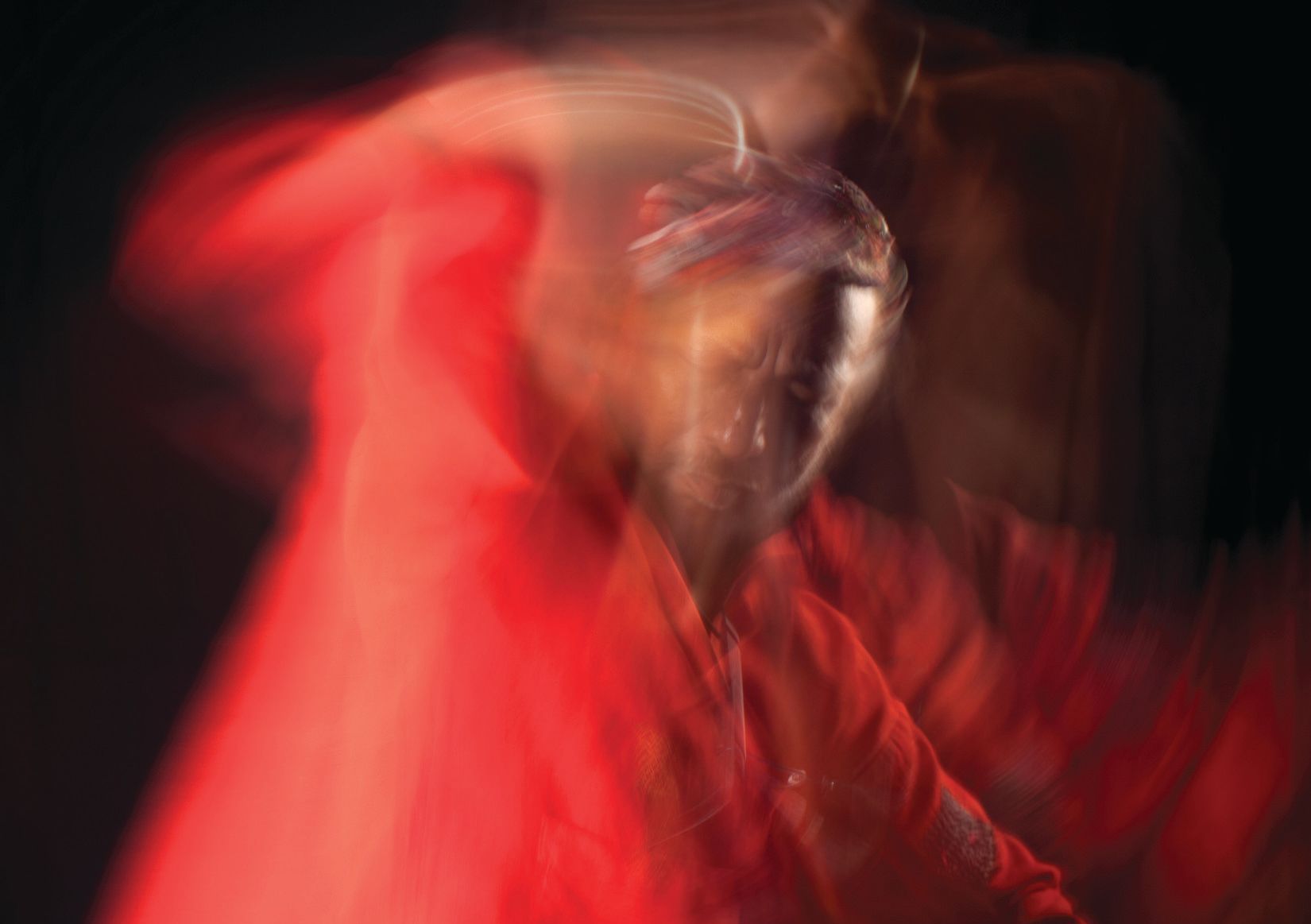
In this performance, Karmakar transformed the act of painting into a time-based artistic experience, bringing together visual art, music, movement and the elemental materials associated with his Alluvial practice. Working on a large 16 × 4-foot canvas, he created an artwork using alluvial clay, sand, acrylic colours and other traditional materials.
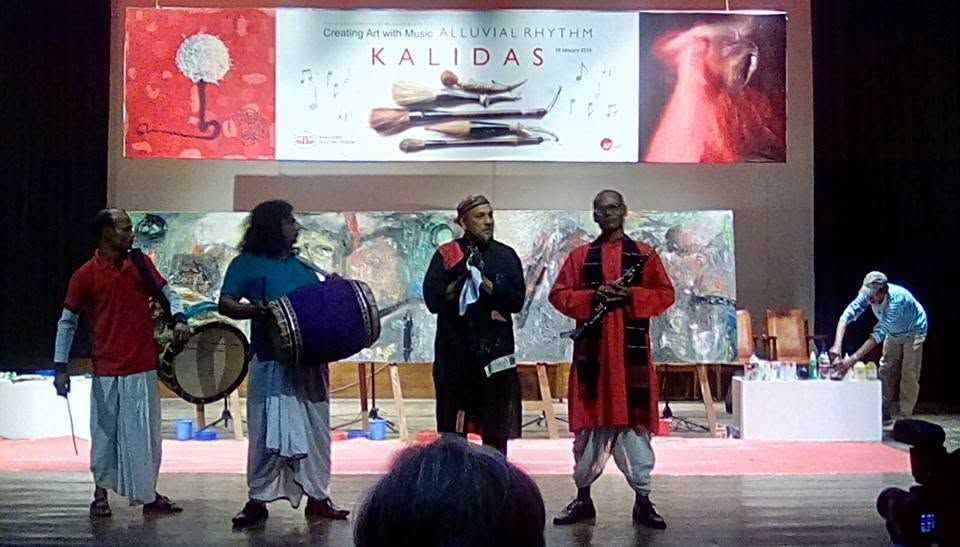
The 71-minute creative performance was accompanied by live instrumental music featuring dhol, dhak, flute and dotara. The rhythm and tonal atmosphere of the music became an integral part of the artist’s process, guiding the movement of colour, line and material across the canvas. Through this synthesis of sound and visual expression, Karmakar evoked the history, cultural heritage and collective memory of Bangladesh, particularly the experience and legacy of the Liberation War of 1971.
Alluvial Rhythm reflects Karmakar’s longstanding exploration of the word “Alluvial”—a reference to the fertile deltaic soil of Bengal and a recurring conceptual foundation of his artistic language. Here, soil, sound, colour and gesture converge to form an evolving visual record of memory, history and place.
The performance extended Karmakar’s experimental approach beyond the conventional boundaries of painting, presenting art not simply as a finished object but as a living process shaped by rhythm, time, material and cultural memory.